RTU Enamel Powder Mixing Process Guide (Exclusively for Enamel Manufacturers)
For enamelware manufacturers, the mixing of RTU enamel powder is crucial in connecting the water mixing and glazing process, directly determining the uniformity of the glaze slurry and thus affecting the product firing success rate. Improper mixing of high-quality RTU powder can easily lead to clumping, excessive air bubbles, uneven glazing, blistering, and detachment of the glaze layer, increasing rework costs and material waste. This article, based on practical manufacturing scenarios, outlines the standardized mixing process, core parameters, and precautions to help manufacturers standardize operations and solidify the foundation of glaze slurry quality.
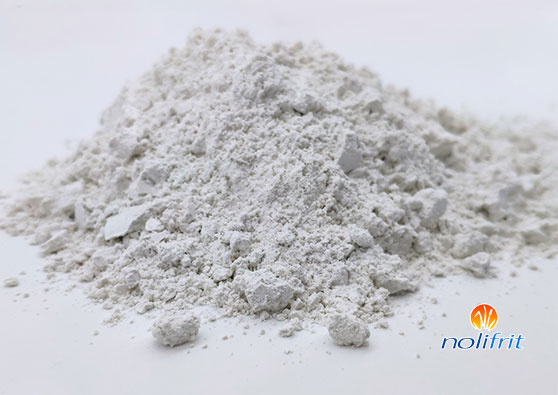
The core advantage of our enamel frit—RTU enamel powder is that it requires no additional additives and can be used directly with water. However, the quality of stirring directly determines the dissolution effect of the RTU powder and the quality of the glaze. The core goal of stirring is to fully mix the powder with water to form a uniform, fine glaze without lumps or excessive air bubbles, ensuring uniform glazing and satisfactory adhesion. The entire process must adhere to the principles of "equipment compatibility, precise parameters, standardized operation, and thorough cleaning," and each step must be strictly controlled.
Before stirring, proper equipment preparation and inspection are essential; this is the foundation of standardized operation. Manufacturers should prioritize low-speed mixers with adjustable speeds to avoid generating excessive air bubbles during high-speed stirring (air bubbles can cause glaze blistering and detachment after firing). It is recommended to use equipment with a speed range of 0-200 rpm, maintaining a stable speed of 80-120 rpm during normal stirring. Before starting, check the following: the speed adjustment function is normal, the impeller is clean and free of residue, and the container is stable and leak-free. Containers made of smooth-walled stainless steel are preferred for easy cleaning and reduced residue.
Before starting the mixer, ensure that the water-to-powder ratio has been followed according to the "water first, powder later" principle. Then, start the low-speed mixer and control the two core parameters of speed and time throughout the process. The speed should be kept stable at 80~120 r/min. Too low a speed will easily lead to incomplete dissolution of lumps, while too high a speed will generate a large number of bubbles and cause glaze splattering.
Stirring time should be controlled between 10 and 15 minutes, which can be adjusted appropriately according to the type of RTU powder and the amount of glaze slurry, but should not be less than 10 minutes (incomplete dissolution) or more than 15 minutes (increased energy consumption and more bubbles). Pause every 5 minutes during stirring (1-2 times in total) and use a stirring rod to check the bottom and edges of the container (stirring dead corners). If any lumps are found, break them up in time to ensure complete dissolution; if there are too many bubbles, the speed can be reduced appropriately.
After mixing, do not apply glaze immediately. It is best to let the glaze slurry age and stand for 8-12 hours to allow the fine powder to fully dissolve and any remaining air bubbles to dissipate naturally. Take precautions against dust during this period. After mixing and aging, thoroughly clean the equipment, paddles, and containers promptly to prevent old glaze slurry residue from clumping and affecting the quality of the next batch. After cleaning, allow it to dry and store for future use.
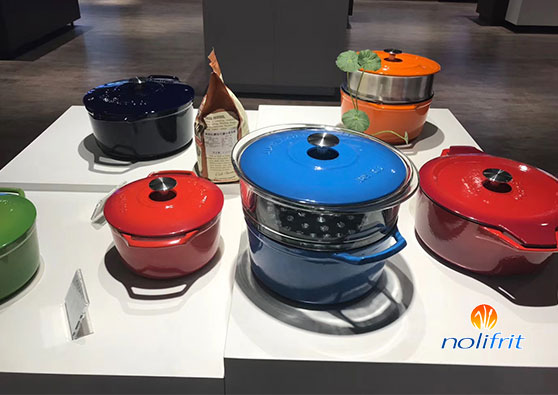
Manufacturers need to avoid two common pitfalls: stopping stirring simply because the glaze slurry is free of particles (small lumps are difficult to detect with the naked eye and affect subsequent quality); and skipping the glaze aging process and applying glaze directly (bubbles and lumps increase quality risks). It is recommended to establish standardized operating procedures, clearly define parameters and specifications, assign dedicated personnel to be responsible and keep records, facilitating quality traceability and process optimization, improving product qualification rates and reducing production costs from the stirring stage.