If Enamel Turns Gray, Check the Firing Atmosphere First
In the production of steel-enamel products, a gray or blackened surface and a lack of gloss are frequent defects. When encountering these issues, many manufacturers often assume the problem lies with the quality of the enamel frit—leading them to adjust the formulation or switch to a different frit—but such measures frequently fail to address the root cause.
The causes of a grayish appearance on a porcelain-enamel surface are complex, with fluctuations in the kiln’s firing atmosphere being the primary trigger. During the firing process, an imbalance between oxidizing and reducing conditions can lead to the abnormal reduction and precipitation of iron elements from the substrate, or the deposition of flue gas components onto the enamel surface. This disrupts the melting state and translucency of the enamel layer, ultimately manifesting as a dark or grayish surface. Furthermore, failing to reach the optimal maturation temperature range for the enamel frit, or improper control of the enamel slip fineness, can also result in similar defects.
It is recommended to follow a standardized troubleshooting sequence: first, verify the firing curve to ensure that the peak temperature and holding time meet process specifications; second, monitor the kiln atmosphere—stabilizing ventilation and the fuel-to-air ratio to prevent localized strong reduction or the ingress of flue gases; and finally, re-examine the fineness of the enamel powder and the composition of the enamel slip.
In most cases, a grayish appearance can be significantly improved by stabilizing the firing regime. Adjusting the enamel formulation should only be undertaken after confirming that the firing parameters and kiln atmosphere are within the correct ranges; this approach minimizes trial-and-error costs and ensures consistent visual quality in the finished products.
In the production of steel-enamel products, a gray or blackened surface and a lack of gloss are frequent defects. When encountering these issues, many manufacturers often assume the problem lies with the quality of the enamel frit—leading them to adjust the formulation or switch to a different frit—but such measures frequently fail to address the root cause.
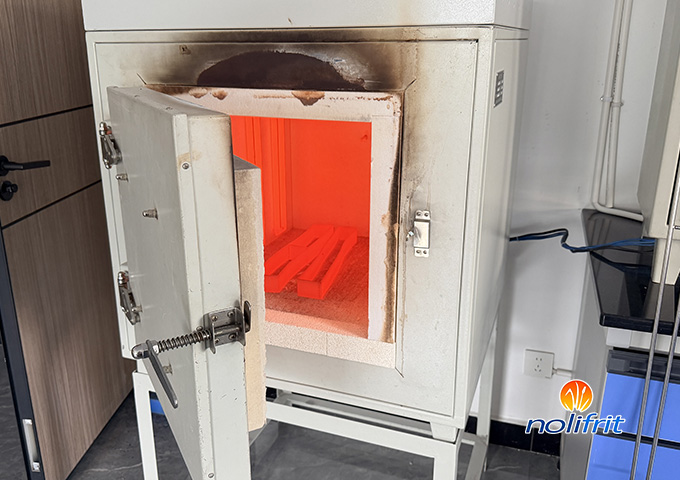
The causes of a grayish appearance on a porcelain-enamel surface are complex, with fluctuations in the kiln’s firing atmosphere being the primary trigger. During the firing process, an imbalance between oxidizing and reducing conditions can lead to the abnormal reduction and precipitation of iron elements from the substrate, or the deposition of flue gas components onto the enamel surface. This disrupts the melting state and translucency of the enamel layer, ultimately manifesting as a dark or grayish surface. Furthermore, failing to reach the optimal maturation temperature range for the enamel frit, or improper control of the enamel slip fineness, can also result in similar defects.
It is recommended to follow a standardized troubleshooting sequence: first, verify the firing curve to ensure that the peak temperature and holding time meet process specifications; second, monitor the kiln atmosphere—stabilizing ventilation and the fuel-to-air ratio to prevent localized strong reduction or the ingress of flue gases; and finally, re-examine the fineness of the enamel powder and the composition of the enamel slip.
In most cases, a grayish appearance can be significantly improved by stabilizing the firing regime. Adjusting the enamel formulation should only be undertaken after confirming that the firing parameters and kiln atmosphere are within the correct ranges; this approach minimizes trial-and-error costs and ensures consistent visual quality in the finished products.